
As you are searching for a physiotherapy centre, one of the first things you might wonder is, “Is the physiotherapist qualified to treat my condition?”
Whether you are experiencing back pain, knee discomfort, a sports injury or recovering after surgery, choosing the right physiotherapist matters. After all, physiotherapy involves more than simply massaging a painful area or doing a few stretches. It requires professional knowledge of the human body, movement, rehabilitation and appropriate treatment techniques.
This is where the importance of a certified physiotherapist comes in.
But what exactly does “certified physio” mean? How can you tell whether a physiotherapist is properly qualified? And what should you actually look for before choosing a therapy centre?
In this article, we explore what makes a qualified physiotherapist, what patients should consider when choosing one, and why Physiogo is a therapy centre worth considering for your physiotherapy journey.
What Is a Certified Physiotherapist?
A certified physiotherapist is a professional who has completed the appropriate education and training in physiotherapy and satisfies the professional registration or certification requirements to practise.
In simple terms, being a physiotherapist is not just about knowing how to massage muscles or come up with exercises sugesstion. Physiotherapy is a healthcare profession that requires knowledge of how the human body moves, functions and recovers.

A trained physiotherapist studies areas such as:
- Human anatomy and how the body is structured.
- Movement and physical function.
- Rehabilitation and recovery.
- Therapeutic exercises.
- Appropriate physiotherapy techniques.
This knowledge helps physiotherapists examine a patient’s physical condition and develop an appropriate treatment plan for the patient within their professional scope.
For instance, if you have recurring lower back pain, a physiotherapist should not simply focus on the painful area. They may also pay attention to your movement, physical function and other factors that could be relevant when it comes to your condition. The same applies to knee pain, shoulder discomfort, sports injuries and other physical issues.
The key difference is that a qualified physiotherapist has professional training and healthcare knowledge to oversee the treatment process.
In Malaysia, patients should also consider whether their physiotherapist is appropriately registered and certified by the relevant healthcare authorities, including the Ministry of Health Malaysia (KKM).
Why Does Seeing a Certified Physio Matter?
Imagine you have been experiencing back pain for several weeks. You try stretching at home. You ask someone to massage your back. The pain feels better for a while, but it comes back whenever you sit for too long.
Sound familiar?
Home remedies may provide temporary relief for others, but recurring pain may require a better understanding of the physical problem. This is where professional physiotherapy can provide a different approach.
A qualified physiotherapist can assess your physical condition and movement, then recommend an appropriate treatment approach based on your needs. For example, two people may both experience knee pain, but their physical condition, lifestyle and recovery goals may be completely different. One person may be recovering from an injury, while another may have developed discomfort due to other physical factors. Because of this, treatment should not always follow a one-size-fits-all approach.
Seeing a qualified physio matters because you want someone who understands that your body and your recovery needs are unique.
What Should You Really Look for in a Qualified Physiotherapist?
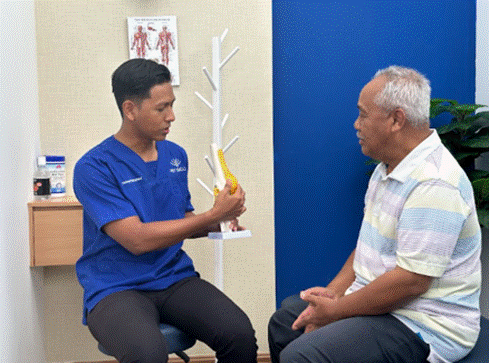
Choosing a physiotherapist is not just about finding someone who can treat the area that hurts.
A professional physiotherapist should have the appropriate qualifications, knowledge and approach to help you understand your physical condition and receive suitable care. But what should you actually check before booking an appointment?
Here are the important things to look for.
1. Relevant Education and Professional Qualifications
The first thing to consider is whether the physiotherapist has the appropriate education and professional qualifications in physiotherapy.
Physiotherapy requires understanding of anatomy, human movement, physical function and rehabilitation. These are crucial foundations for understanding different physical conditions and determining suitable treatment approaches.
You can ask the centre about the therapist’s educational background and professional qualifications. A qualified physiotherapist should be able to explain their training and professional role clearly.
2. Professional Registration and Certification
Professional registration is another important consideration when choosing a physiotherapist.
In Malaysia, patients should look for therapists who meet the relevant professional registration and certification requirements, including registration and certification by the Ministry of Health Malaysia (KKM), where applicable.
You can ask the physiotherapy centre whether its therapists are registered and certified by the relevant healthcare authorities. This helps you make a more informed decision about the professional providing your treatment.
3. Proper Training and Knowledge of Physiotherapy
Having a qualification is important, but professional training and knowledge also matter.
The physiotherapist needs to know about the way the body moves, how physical factors can influence the way the body moves and what treatment options may be appropriate for different patients.
You can ask about the therapist’s training and experience with conditions similar to yours. For example, if you are seeking treatment for a sports injury, it may be useful to understand whether the therapist has experience in sports rehabilitation.
The important thing is to choose someone with the appropriate professional training for your needs.
4. A Treatment Approach Based on Healthcare Science
A professional physiotherapist should apply healthcare knowledge and recognised physiotherapy principles when assessing and treating patients.
This means treatment should be geared toward the physical condition of the patient rather than simply applying the same technique to everyone.
You can ask the therapist to explain:
- What they think may be contributing to your symptoms.
- Why a particular treatment approach is being recommended.
- What the treatment is intended to help you achieve.
- Whether there are exercises or activities you should follow at home.
It’s okay if you do not know every medical term. A good therapist should be able to explain the treatment in a way that you will be able to understand.
5. Personalised Assessment and Treatment
One of the most important things to look for is whether the physiotherapist takes the time to understand your individual condition.
Your symptoms, lifestyle, physical activity and recovery goals may be different from another patient’s. An office worker with recurring neck pain may have different treatment needs from an athlete recovering from an injury. A physiotherapist should consider these differences when coming up with a treatment plan.
Seek for a centre that focuses on personalised treatment rather than a one-size-fits-all approach.
6. Clear Communication and Professionalism
A good physiotherapy experience should involve clear communication.
Before and during treatment, you should feel comfortable asking questions about your condition and the treatment being provided. A professional physiotherapist should be able to explain the treatment process, discuss relevant concerns and communicate in a way that helps you understand what is happening.
It is also important that the therapist respects your comfort and personal boundaries throughout the session.
7. A Comfortable and Suitable Treatment Environment
The treatment environment is another factor worth considering.
Physiotherapy can include a physical assessment, movement exercises and hands-on techniques. Because of this, patients should feel comfortable in the space where treatment takes place. You may want to consider whether the centre provides private treatment rooms, a suitable environment and facilities that make you feel comfortable.
For some patients, gender preferences and privacy are also important considerations.
8. A Good Reputation and Patient Feedback
Patient reviews can also help you learn more about a physiotherapy centre.
Although reviews are not the only thing to consider, they could offer a glimpse into other patients’ experiences with the centre, therapists and overall service. You can look at the centre’s Google Reviews, read patient feedback and consider whether the experiences shared are relevant to what you are looking for.
Ultimately, the best choice is a centre that meets your professional, treatment and personal comfort needs.
Why Choose Physiogo as Your Certified Physio Centre?

Now that we understand what to look for in a qualified physiotherapist, let’s take a closer look at what Physiogo offers.
Here are the key reasons to consider Physiogo for your physiotherapy journey.
● More Than 190,000 Treatment Sessions Since 2017
● Registered and Certified Therapists by the Ministry of Health Malaysia (KKM)
● 100% Trained and Qualified Therapists
● 100% Health Science-Based Treatment
● Comfortable Treatment Rooms That Prioritise Patient Privacy
● Gender-Sensitive Comfort, Including a Muslimah-Friendly Environment
● Personalised Treatment According to Individual Needs
1. 4.9 Google Review Rating
Physiogo has achieved a 4.9 rating on Google Reviews, reflecting feedback shared by patients who have experienced its services. When choosing a healthcare provider, patient reviews can be useful in understanding the experiences of others.
Reviews are just one thing that patients should pay attention to, but a high rating may give them peace of mind when they are exploring their options.
2. More Than 190,000 Treatment Sessions Since 2017
Experience is another important consideration when choosing a therapy centre.
Since 2017, Physiogo has conducted more than 190,000 treatment sessions. This represents years of experience providing physiotherapy services to patients with different physical conditions and treatment needs.
Every patient is different, but this experience supports Physiogo’s focus on delivering professional physiotherapy care.
3. Registered and Certified Therapists by the Ministry of Health Malaysia (KKM)
Qualification of physiotherapists is one of the most important factors to keep in mind while selecting a physiotherapy centre.
At Physiogo, therapists are registered and certified by the Ministry of Health Malaysia (KKM). This gives patients greater confidence when choosing their physiotherapy provider, knowing that the centre places importance on professional registration and certification.
4. 100% Trained and Qualified Therapists
At Physiogo, 100% of its therapists are trained and qualified.
This is important because physiotherapy requires professional knowledge and training in areas such as anatomy, movement, rehabilitation and therapeutic techniques. When receiving treatment, patients want to feel confident that their therapist understands their physical condition and can provide appropriate care within their professional scope.
5. 100% Health Science-Based Treatment
Physiogo provides treatment that is 100% based on health science.
This means the treatment approach is grounded in healthcare knowledge and professional physiotherapy principles. Physiogo doesn’t think that all patients need the same kind of treatment, but that it’s important to know what is going on and what the patient needs. This science-based approach is an important part of providing professional physiotherapy care.
6. Comfortable Treatment Rooms That Prioritise Patient Privacy
A physiotherapy session can involve physical assessment, movement exercises and hands-on treatment. Because of this, the treatment environment matters.
Physiogo provides comfortable treatment rooms designed to protect and maintain patient privacy, allowing patients to feel more relaxed and comfortable during their sessions. A private and comfortable environment can also make it easier for patients to communicate their concerns and discuss their physical condition with their therapist.
7. Gender-Sensitive Comfort, Including a Muslimah-Friendly Environment
Comfort can mean different things to different patients. For some, gender preferences and privacy are important considerations when choosing a healthcare provider.
Physiogo takes this into consideration by providing comfort designed for both women and men, including a Muslimah-friendly environment. This allows patients to feel more at ease when receiving physiotherapy, particularly those who prefer a treatment setting that aligns with their personal needs and preferences.
8. Open 7 Days a Week
Finding time for physiotherapy can be challenging when you have work, studies or family commitments. Physiogo is open seven days a week, allows patients to have more flexibility when scheduling their appointments. Whether you prefer to attend during weekdays or weekends, having seven-day availability can make it easier to fit physiotherapy into your routine.
9. Personalised Treatment According to Individual Needs
No two patients are exactly the same. Even when two people experience pain in the same area, their physical condition, lifestyle and recovery goals may differ.
At Physiogo, treatment is adapted according to each patient’s condition and individual needs. This personalised approach allows the treatment process to focus on what is relevant to the patient, rather than applying a fixed treatment plan to everyone.
Before You Book Your Physio: Things That You Should Know
Choosing a physiotherapy centre can feel overwhelming, especially if you have never attended a session before. You may be wondering whether the therapist is qualified, what treatment you will receive or whether the centre is suitable for your needs.
Here are some questions worth asking before making your appointment.
What should I ask before booking a physiotherapy appointment?
You can ask about the therapist’s qualifications, professional registration, treatment approach and experience with your type of condition. It is also useful to ask about appointment availability, treatment fees and what to expect during your first session.
Asking questions helps you understand the services being provided and make a more informed decision.
What happens during my first physiotherapy session?
Your first session may involve discussing your symptoms, medical history and physical concerns. The physiotherapist may also assess your movement and physical function before recommending an appropriate treatment approach. The exact process depends on your condition and the centre’s clinical procedures.
If you had any questions, feel free to ask your therapist to explain what they are doing and why.
Is physiotherapy different from massage?
Yes.
Although some physiotherapy treatments may involve hands-on techniques, physiotherapy is a healthcare profession that involves professional education and training in anatomy, movement, physical function and rehabilitation.
Massage may focus primarily on soft tissue relaxation, while physiotherapy takes a broader approach to physical function and rehabilitation.
If you are experiencing persistent pain or difficulty moving, professional physiotherapy may be worth considering.
How do I know if a physiotherapy centre is suitable for me?
Consider the qualifications of the therapists, the treatment approach, the centre’s environment and whether its services fit your needs. You may also want to check patient reviews, operating hours and whether the centre provides personalised treatment.
The right choice depends on your individual condition, preferences and treatment requirements.
Finding the Right Certified Physio for Your Recovery
Choosing a physiotherapist is about more than finding someone who can treat the area that hurts. It is about finding a professional with the appropriate qualifications, training and knowledge to understand your physical condition and provide suitable care.
There are a number of things to consider before booking your appointment, such as the therapist’s professional registration, education, treatment approach, communication, and if the centre provides an environment that you feel comfortable in.
At Physiogo, the focus is on combining professional qualifications with science-based treatment and personalised care. With 100% trained and qualified therapists who are registered and certified by KKM, more than 190,000 treatment sessions since 2017, and a 4.9 Google Review rating, Physiogo provides a professional physiotherapy option for patients with different needs.
The centre also emphasizes on patient comfort through comfortable and private treatment rooms, gender-sensitive care including a Muslimah-friendly environment, and availability seven days a week. Most importantly, treatment is adapted according to each patient’s condition and individual needs.
Because when it comes to your body and recovery, it is more than choosing a qualified physiotherapist who can treat pain. It is about choosing a professional who has the training, knowledge and approach to help you understand your physical condition and work towards better movement and function.
Physiogo — professional physiotherapy care, with your individual needs at the centre.