Knee osteoarthritis is one of the most common and disabling musculoskeletal conditions, affecting millions of people across the globe. As a degenerative joint disease, it slowly wears away the protective cartilage inside the knee, eventually leading to pain, stiffness, inflammation, and limitations in daily movement. Although knee osteoarthritis is often associated with older adults, it can affect individuals at any age, especially those exposed to high joint stress, previous injuries, or hereditary influences.
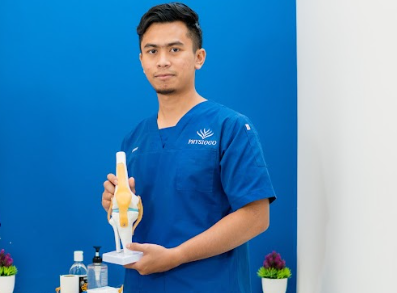
In Malaysia, knee osteoarthritis is among the top reasons people seek physiotherapy care. At Physiogo, recognised as one of the leading physiotherapy centres in the country, patients dealing with knee osteoarthritis receive comprehensive, evidence-based, and personalised treatment plans. With more than 100,000 treatment sessions conducted since 2017, Physiogo has become a trusted name among Malaysians seeking expert care delivered by fully registered physiotherapists under the Ministry of Health Malaysia (KKM). Their approach focuses on relieving pain, restoring function, improving mobility, and enhancing long-term quality of life.
What is Knee Osteoarthritis?
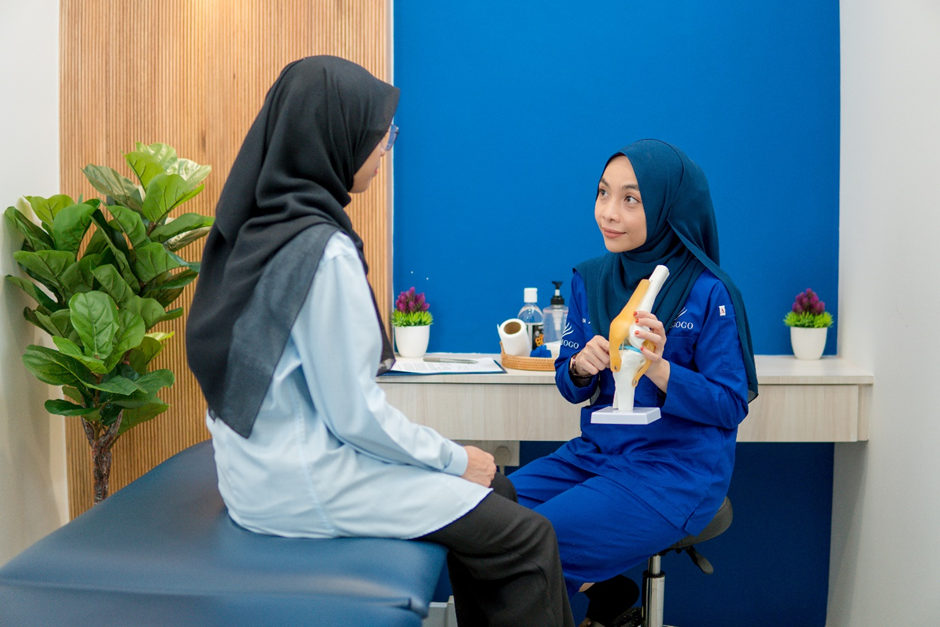
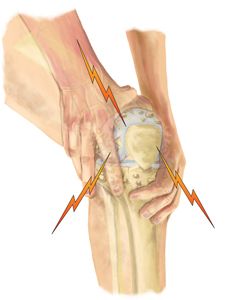
Knee osteoarthritis occurs when the cartilage that cushions the bones in the knee joint gradually breaks down. Cartilage acts as a smooth, shock-absorbing surface that allows the joint to move comfortably. When this protective layer deteriorates, the bones begin to rub against each other, causing pain, inflammation, and a reduction in mobility. Over time, the joint structure may change, leading to bone spurs, joint thickening, and eventually deformities.
Unlike inflammatory arthritis, knee osteoarthritis is primarily a mechanical wear-and-tear condition, meaning it develops gradually and worsens over years. However, genetics, previous injuries, and lifestyle factors can significantly speed up this process.
Symptoms often start subtly and perhaps a mild ache after climbing stairs or stiffness in the morning but become more noticeable when left untreated. As the condition progresses, patients may experience:
- Intermittent pain that worsens with activity
- Stiffness after periods of inactivity
- Swelling or warmth around the knee
- Difficulty bending, straightening, or bearing weight
- Reduced flexibility and mobility
- A grinding sensation (crepitus) during movement
- Increasing difficulty in daily tasks such as squatting, walking long distances, or climbing stairs
Advanced cases may even lead to visible deformity, affecting balance and overall function.
Causes and Risk Factors of Knee Osteoarthritis
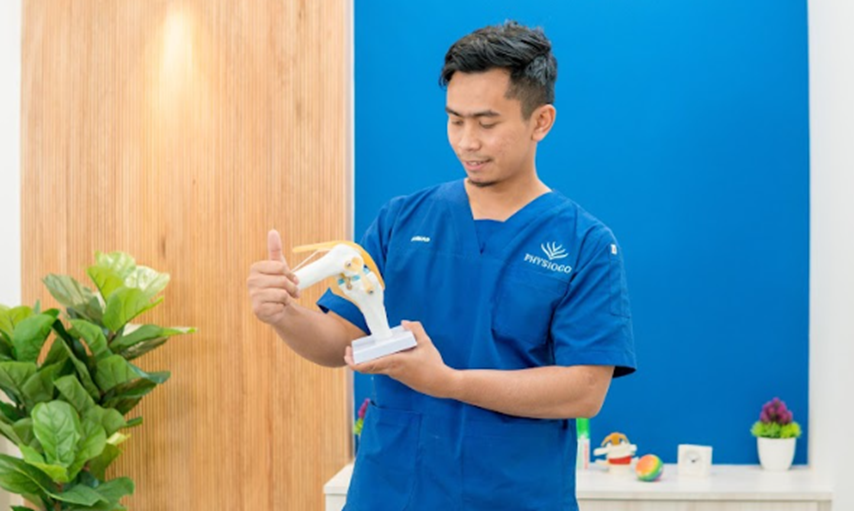
Knee osteoarthritis does not usually develop from a single cause. Instead, it arises from a combination of risk factors that weaken or damage knee structures over time. Some of the main contributors include:
1. Age
Cartilage naturally loses elasticity and resilience with age. This makes older adults more susceptible to wear-and-tear damage. Although most cases occur after 50, younger people can also develop osteoarthritis if other risk factors are present.
2. Obesity
Excess body weight increases the mechanical stress placed on the knee joint. For every kilogram gained, the knee experiences several kilograms of added pressure during walking or climbing. This accelerates cartilage breakdown and worsens symptoms.
3. Previous Injuries
Traumatic knee injuries such as fractures, ligament tears (ACL), or meniscus injuries significantly heighten the risk of future osteoarthritis. This is known as post-traumatic osteoarthritis, which may develop years after the initial injury.
4. Genetics
Family history plays an important role. Some individuals inherit genetic traits that affect cartilage structure, collagen quality, or joint alignment, making them more prone to degeneration.
5. Repetitive Stress
Occupations or sports involving heavy kneeling, squatting, lifting, or repetitive impact can lead to accelerated wear and tear. People in manual labour, construction, and sports that strain the knee are particularly at risk.
6. Gender
Women, especially those who are post-menopause, face a higher risk. Hormonal changes are believed to influence cartilage health and joint tissue integrity.
Understanding these risk factors helps physiotherapists create personalised and effective treatment plans tailored to each patient’s condition and lifestyle.
Symptoms of Knee Osteoarthritis

Recognising knee osteoarthritis early gives patients the best chance of managing symptoms and protecting joint health. Common symptoms include:
- Pain and tenderness during movement, standing, or weight-bearing activities
- Stiffness, particularly in the morning or after sitting for long periods
- Swelling caused by inflammation or fluid build-up
- Reduced flexibility, making bending or straightening the knee difficult
- A grinding or cracking sensation (crepitus) during movement
- Joint deformity in more advanced stages, such as bowing of the legs
- Weakness in surrounding muscles due to chronic pain and inactivity
These symptoms can vary in intensity and may flare up during cold weather, prolonged activity, or after overuse.
Effective Non-Surgical Treatments
Most individuals with knee osteoarthritis do not require surgery. Instead, the first line of management involves conservative, non-invasive treatments that aim to reduce pain, slow down progression, and improve overall knee function.
At Physiogo, treatment programs are tailored to meet each patient’s unique needs, lifestyle, and condition severity. Their approach includes three main components:
1. Physiotherapy – The Core of Osteoarthritis Management
Physiotherapy is considered the most effective non-surgical treatment for knee osteoarthritis. At Physiogo, the physiotherapy team uses multiple evidence-based techniques, including:
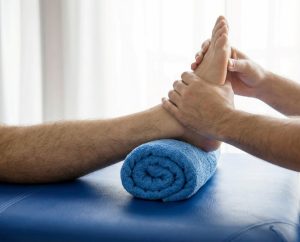
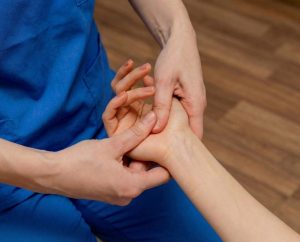
- Manual Therapy
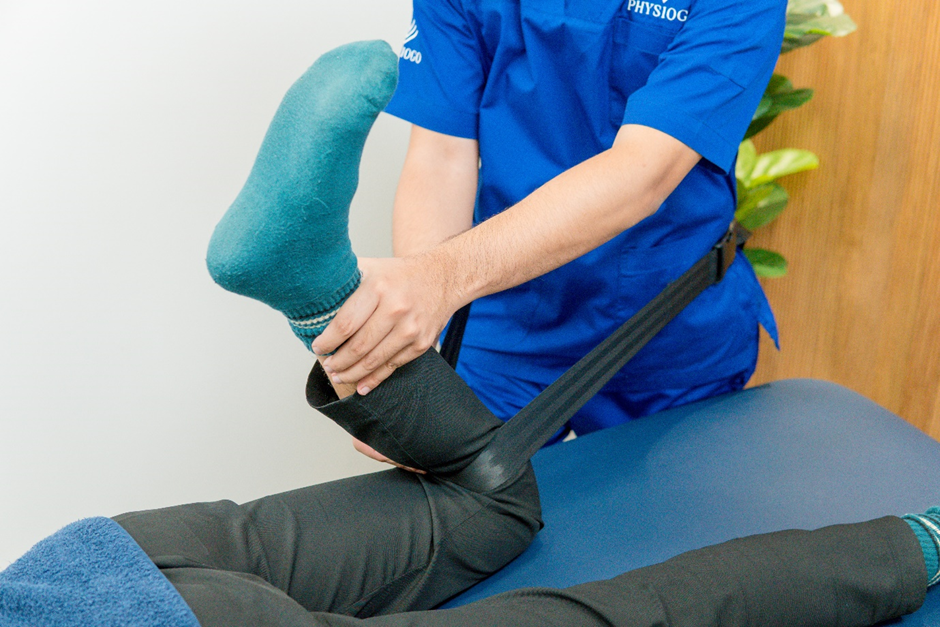
Hands-on techniques such as joint mobilisations, soft tissue release, and stretching help reduce stiffness, improve joint movement, and relieve pain.
- Exercise Therapy
Strengthening the muscles surrounding the knee especially the quadriceps, hamstrings, hips, and calves to helps stabilise the joint and reduce stress on cartilage. Physiogo provides tailored exercise programs focusing on:
- Muscle strengthening
- Flexibility and stretching
- Balance and proprioception
- Functional movement training
These exercises are designed for long-term benefits and can significantly improve daily function.
- Electrotherapy
Electrical modalities such as ultrasound therapy or TENS are used to reduce inflammation, minimise pain, and promote soft tissue healing.
All physiotherapy sessions at Physiogo are delivered one-on-one, ensuring patients receive full attention and personalised care. Treatment rooms are private, clean, and comfortable, creating a safe environment for recovery.
2. Lifestyle Interventions
Managing knee osteoarthritis requires more than just in-clinic treatments. Physiogo emphasises lifestyle modifications such as:
- Weight Management
Reducing even a small amount of weight can dramatically decrease pressure on the knees and slow down osteoarthritis progression.
- Low-Impact Exercise
Activities like swimming, cycling, and brisk walking help maintain joint mobility without placing excessive strain on the knee.
- Assistive Devices
The use of knee braces, walking aids, or orthotic supports can improve walking patterns, reduce pain, and enhance stability.
3. Education and Self-Management Strategies
Physiogo physiotherapists educate patients on:
- Proper movement techniques
- Safe daily activities
- Joint protection strategies
- Activity modification
- Home exercises to maintain progress
Education empowers patients to take control of their condition and make informed choices that benefit long-term joint health.
Advanced Services Offered at Physiogo
Beyond in-clinic physiotherapy, Physiogo offers a range of premium services to accommodate different patient needs:
- House Call Service
For patients with mobility limitations, elderly individuals, or those recovering from severe pain, Physiogo provides personalised physiotherapy sessions in the comfort of their homes.
- Corporate Health Programs
Businesses can partner with Physiogo to provide workplace wellness programs, injury prevention workshops, and on-site physiotherapy sessions for employees.
- Comprehensive Joint and Muscle Care
Physiogo does not only treat knee osteoarthritis. They also manage:
- Neck and back pain
- Shoulder problems
- Sports injuries
- Stroke rehabilitation
- General musculoskeletal conditions
This makes Physiogo a one-stop centre for holistic musculoskeletal care.
Why Choose Physiogo for Knee Osteoarthritis Treatment?
Physiogo stands out as a leading physiotherapy centre in Malaysia due to several key strengths:
- Qualified Experts: All physiotherapists are fully registered with the Ministry of Health Malaysia (KKM).
- Extensive Experience: Over 100,000 treatment sessions since 2017.
- Personalised Care: One-on-one treatments tailored to individual needs.
- Evidence-Based Practice: All treatments follow the latest scientific research and physiotherapy guidelines.
- Convenience: Open 7 days a week with comfortable, private treatment spaces.
Patients can trust Physiogo for professional, ethical, and effective physiotherapy services.
Preventing and Slowing the Progression of Knee Osteoarthritis
Prevention plays a crucial role in joint health. Some effective strategies include:
- Maintaining a healthy body weight
- Staying active with low-impact exercises
- Avoiding repetitive knee strain
- Wearing proper footwear
- Seeking early physiotherapy for injuries
- Strengthening muscles that support the knee
With consistent physiotherapy and early intervention at Physiogo, patients can significantly slow the progression of osteoarthritis and maintain an active lifestyle for years to come.
Conclusion
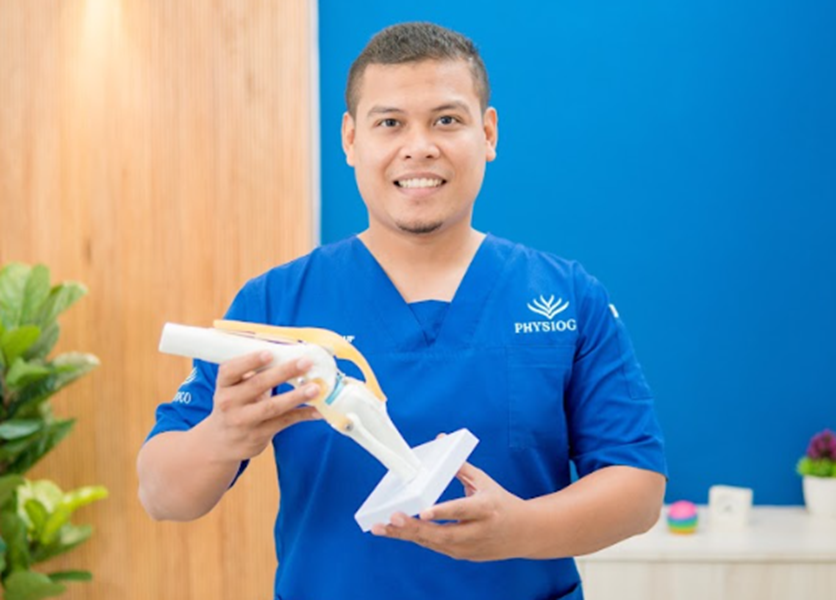
Knee osteoarthritis can greatly affect daily activities, independence, and overall quality of life. However, with early diagnosis, the right physiotherapy approach, and consistent management, its impact can be greatly reduced. Physiogo offers a comprehensive, patient-focused, and scientifically supported treatment pathway for anyone dealing with knee osteoarthritis.
With more than seven years of experience and over 100,000 treatment sessions completed, Physiogo remains a trusted name in Malaysia for high-quality physiotherapy care. Patients receive not only pain relief but long-term strategies to protect their joints and restore confidence in movement.
If you’re experiencing symptoms of knee osteoarthritis, seeking help early can make a huge difference and Physiogo is ready to support your journey toward healthier, stronger joints.